Canadian Forest Gallery
Explore the diverse forest environments and natural landscapes that form the foundation of our educational programs. From boreal forests to coastal rainforests, these scenes reflect the beauty and variety of Canadian nature.
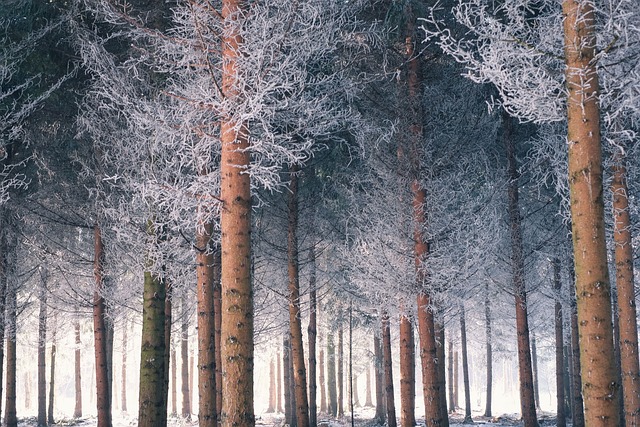
Boreal Forest, Northern Ontario
Birch and spruce woodland
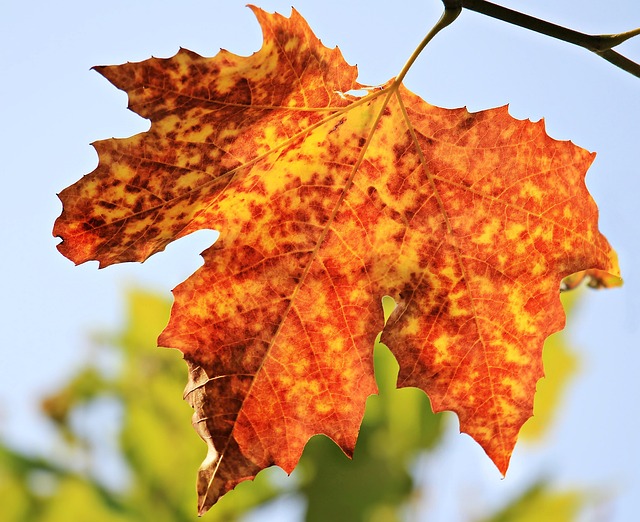
Autumn Foliage, Ontario
Maple canopy seasonal change
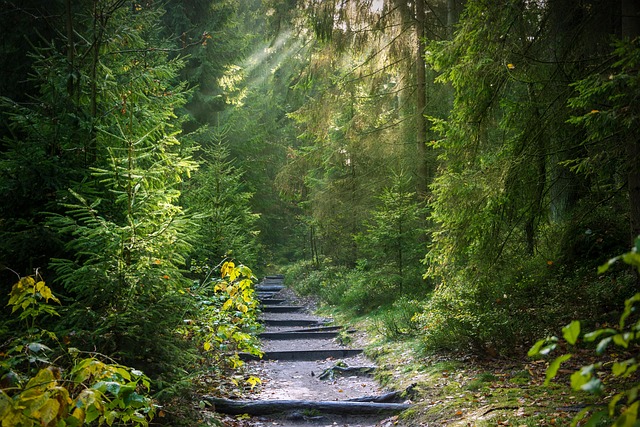
Coastal Trail, British Columbia
Cedar-lined pathway
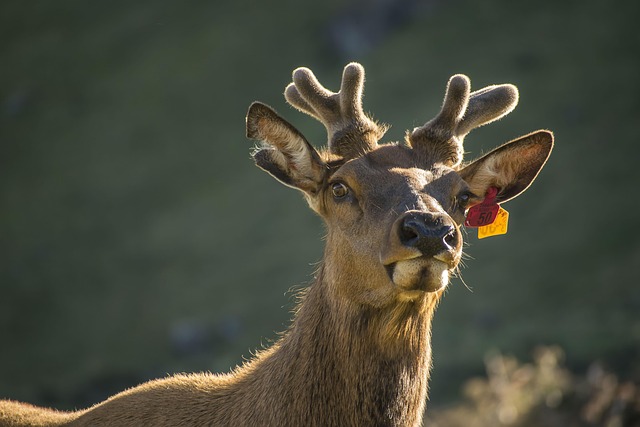
Wildlife Observation
White-tailed deer at dawn
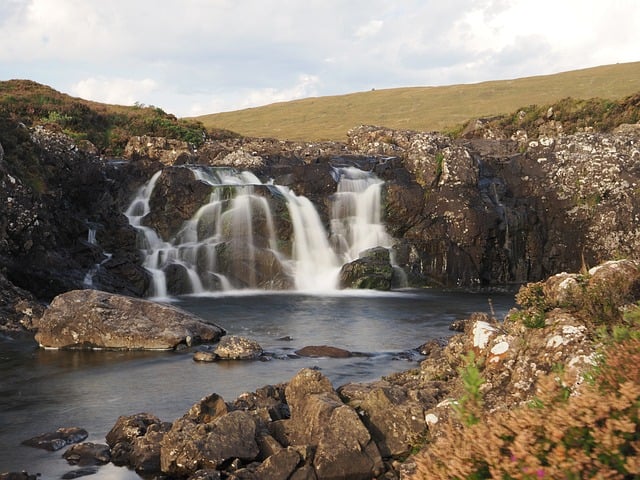
Lake Reflection, Muskoka
Forest mirrored on still water
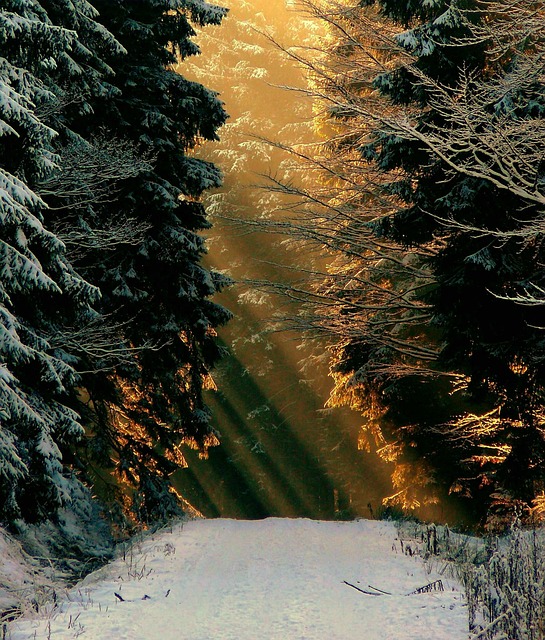
Temperate Rainforest, Vancouver Island
Douglas fir and moss cover
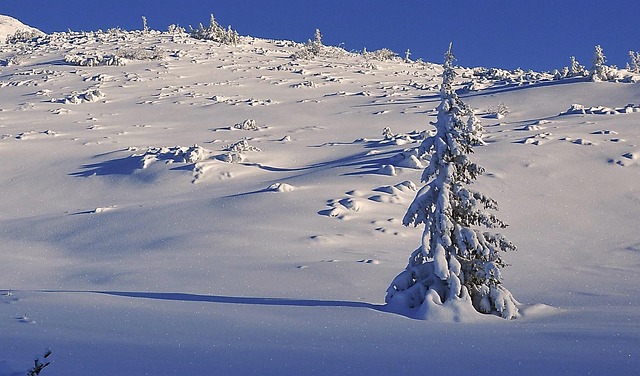
Winter Forest, Quebec
Snow-laden spruce in Laurentians
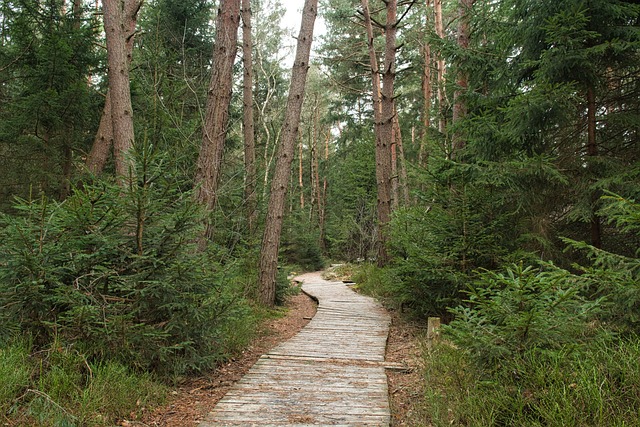
Boardwalk Trail, New Brunswick
Wetland nature reserve access
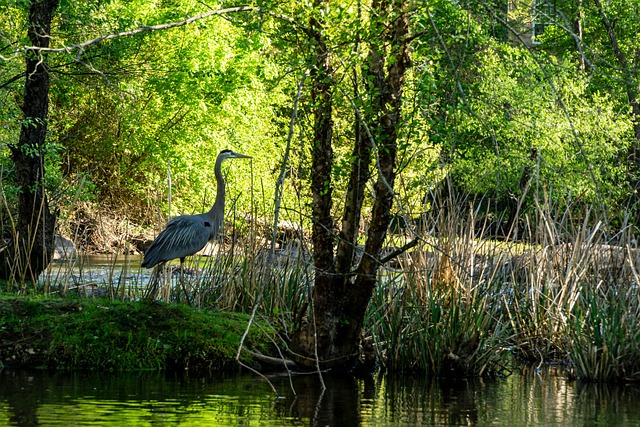
Forest Stream Wildlife
Great blue heron at water's edge
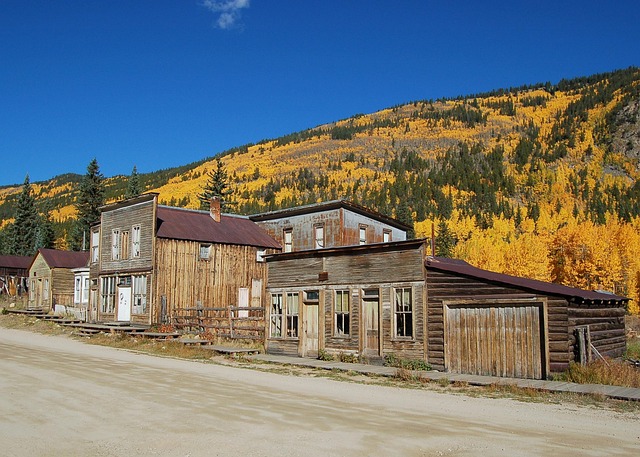
Aspen Grove, Alberta
Rocky Mountain foothills
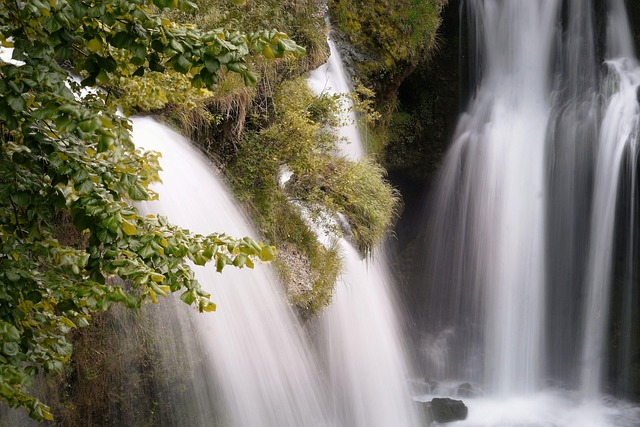
Forest Stream, Nova Scotia
Mossy creek through old growth
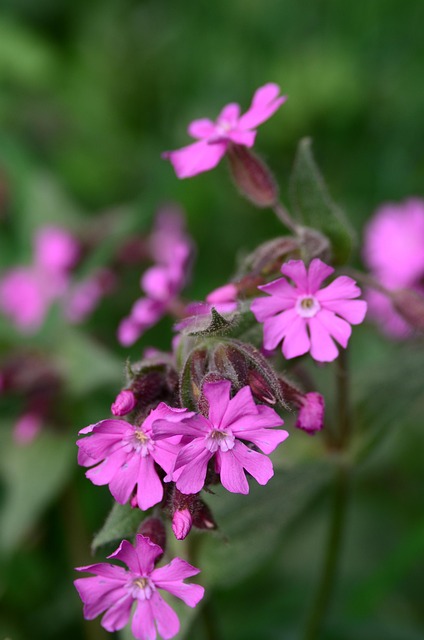
Spring Forest Floor, Manitoba
Wildflowers and fern emergence
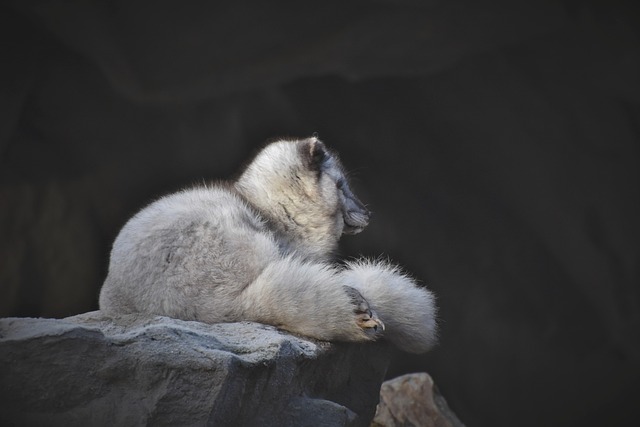
Forest Wildlife
Red fox in autumn setting
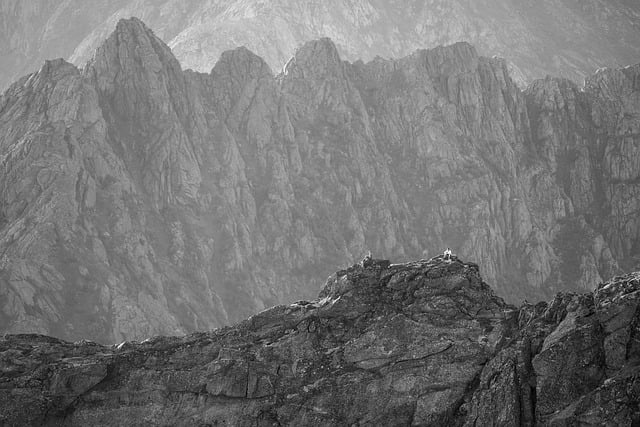
Gatineau Hills Trail, Quebec
Mixed forest in autumn
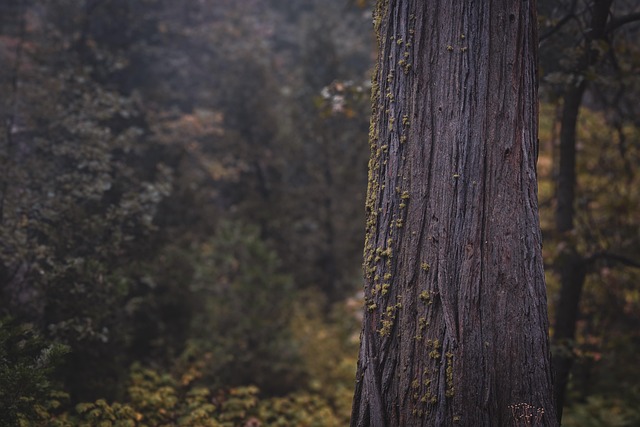
Canadian Shield, Saskatchewan
Jack pine on rocky terrain
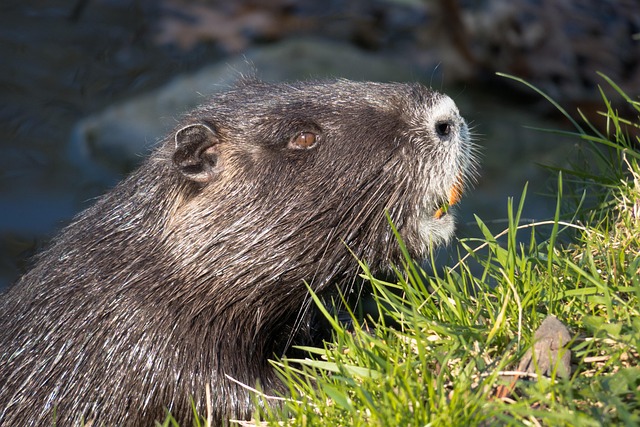
Beaver Pond, Newfoundland
Wetland ecosystem observation
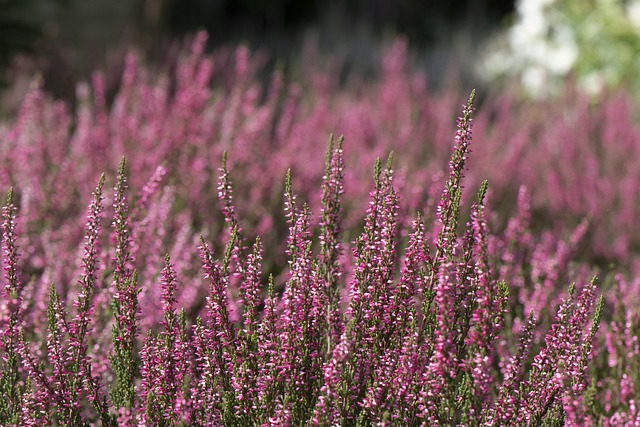
Summer Meadow, Prince Edward Island
Wildflowers at forest edge
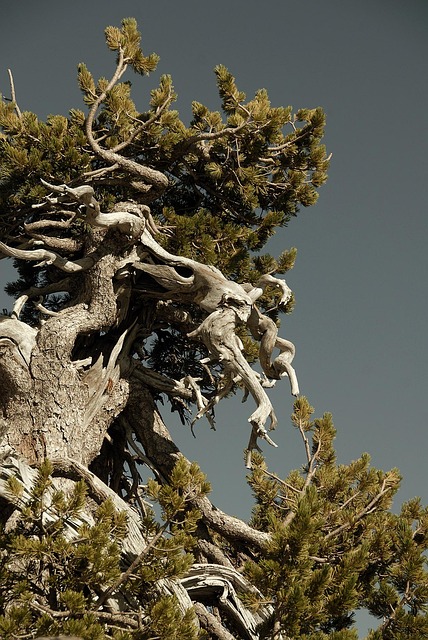
Old-Growth Forest, Haida Gwaii
Moss-draped hemlock canopy
Why Visual Learning Matters
Visual references play an important role in nature forest education. Photographs of Canadian forests help learners recognize tree species, identify seasonal patterns, and understand the diversity of landscapes found across provinces and territories.
Our gallery showcases real Canadian forest environments that correspond to the educational topics covered in our programs. From boreal woodlands in the north to coastal rainforests on the west coast, each image represents an opportunity to deepen your understanding of natural systems.
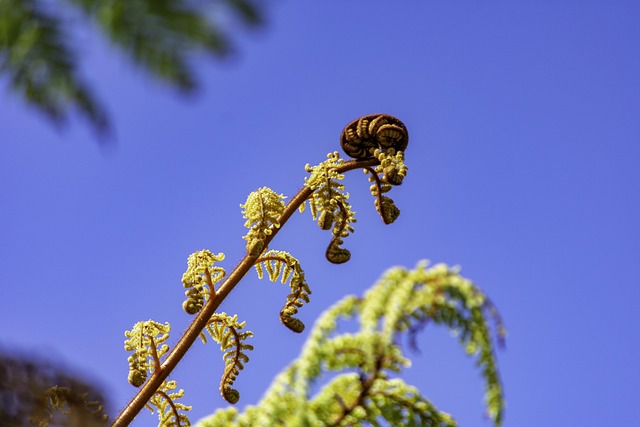
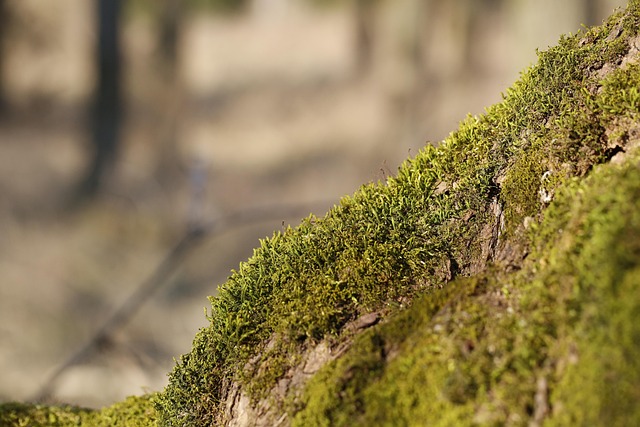
Canadian Forest Regions
Canada hosts a remarkable variety of forest types. Our gallery draws from these diverse regions to support a well-rounded nature education experience.
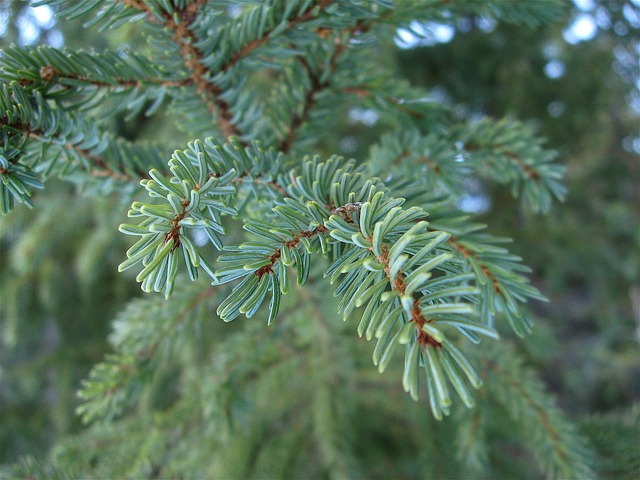
🌲 Boreal Forest
Stretching across northern Canada, the boreal forest is the largest forest zone in the country. Dominated by spruce, pine, and larch, it provides habitat for countless species and plays a key role in global carbon storage.
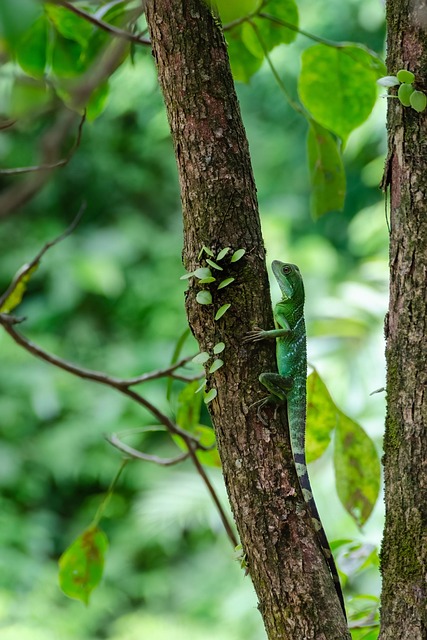
🌿 Coastal Rainforest
Found along the Pacific coast of British Columbia, temperate rainforests feature towering western red cedar, Douglas fir, and Sitka spruce. Dense undergrowth and high rainfall create unique ecological conditions.
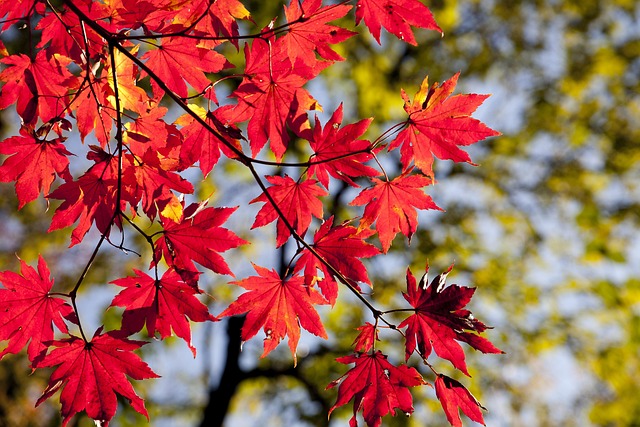
🍁 Great Lakes Forest
The mixed forests around the Great Lakes and St. Lawrence region combine hardwoods like maple, oak, and beech with conifers. This region is known for spectacular autumn foliage and diverse wildlife populations.
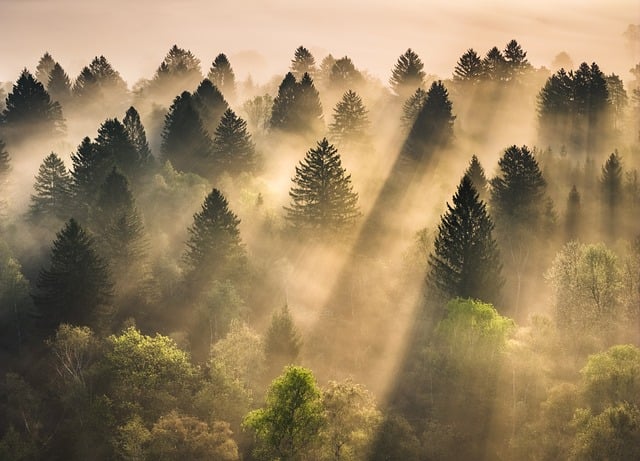
🌊 Acadian Forest
Covering the Maritime provinces, the Acadian forest blends northern boreal species with southern hardwoods. Red spruce, balsam fir, and sugar maple create a transitional forest zone shaped by coastal climate patterns.
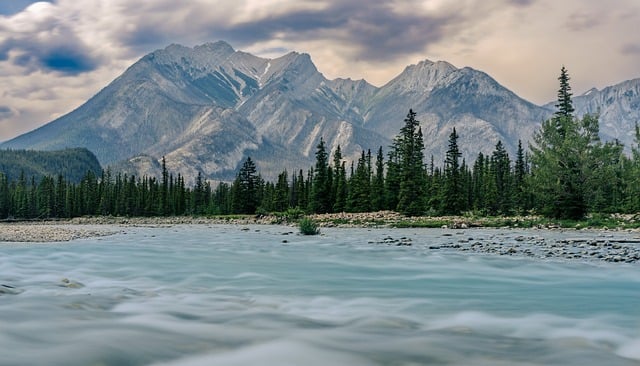
⛰️ Montane Forest
Found in the Rocky Mountains and interior ranges, montane forests shift with elevation. Engelmann spruce, subalpine fir, and lodgepole pine characterize these landscapes where forest meets alpine meadow.
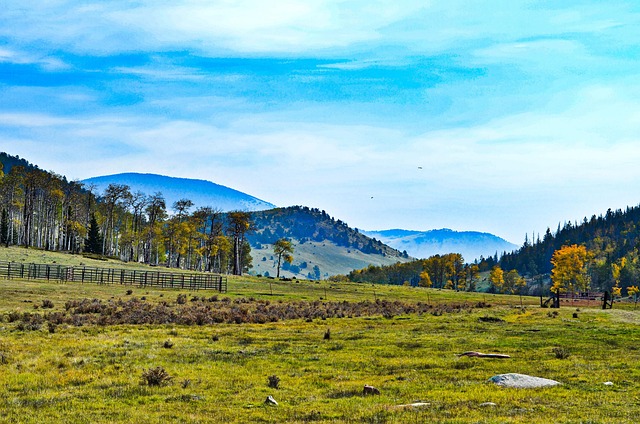
🌾 Aspen Parkland
A transitional zone between prairie grasslands and boreal forest, the aspen parkland features scattered groves of trembling aspen interspersed with grassland. This unique ecotone supports a distinct community of plant and animal life.
Ready to Learn About Canadian Forests?
Our structured programs help you move beyond photographs and into a deeper understanding of forest ecosystems, seasonal patterns, and environmental responsibility.
All gallery images are used for educational and illustrative purposes. Valp DA provides nature forest education for informational and learning purposes only. The images shown do not represent specific program locations or guaranteed experiences. For full details, please review our Outdoor Education Disclaimer.